By Jimmy Bellew
November 7, 2026
Choosing tile for a home or commercial property involves more than finding a color or pattern that complements the space. The quality of the materials, product availability, durability, and level of customer service can all affect the outcome of your project. Working with the right tile supplier can make it easier to compare options, find suitable materials, and plan your installation with confidence. Use this handy checklist to evaluate the factors that matter most before making your final decision.
1. Evaluating Tile Quality and Durability
Tile quality should be one of your first considerations when comparing suppliers. Although appearance plays an important role in interior design, the material must also withstand the demands of its intended environment. A tile that works well on a decorative wall may not be suitable for a busy entryway, kitchen floor, or frequently used bathroom.
Different tile materials offer different performance characteristics. Porcelain and ceramic tiles are popular choices for many residential and commercial applications, while natural stone provides distinctive variations in color, texture, and appearance. The best option depends on the location, expected foot traffic, exposure to moisture, and maintenance requirements.
Porcelain tile, for example, is known for its low water absorption and durability. According to The Spruce, porcelain tiles are not completely waterproof, but they are classified as impervious because they absorb no more than 0.5% of their weight in water after being boiled for five hours and soaked for 24 hours. This distinction is important when selecting materials for moisture-prone areas.
When evaluating a tile supplier, ask about the characteristics of the products available, including their water absorption, surface strength, slip resistance, and suitability for your intended application. Reviewing product specifications can help you choose materials that balance appearance with practical performance.
2. Comparing Tile Selection and Design Options
A broad product selection makes it easier to find tile that fits your design preferences, functional needs, and budget. Look for a supplier that offers options in different materials, sizes, colors, finishes, and patterns. Having multiple choices allows you to compare styles and determine which products work best with your overall design.
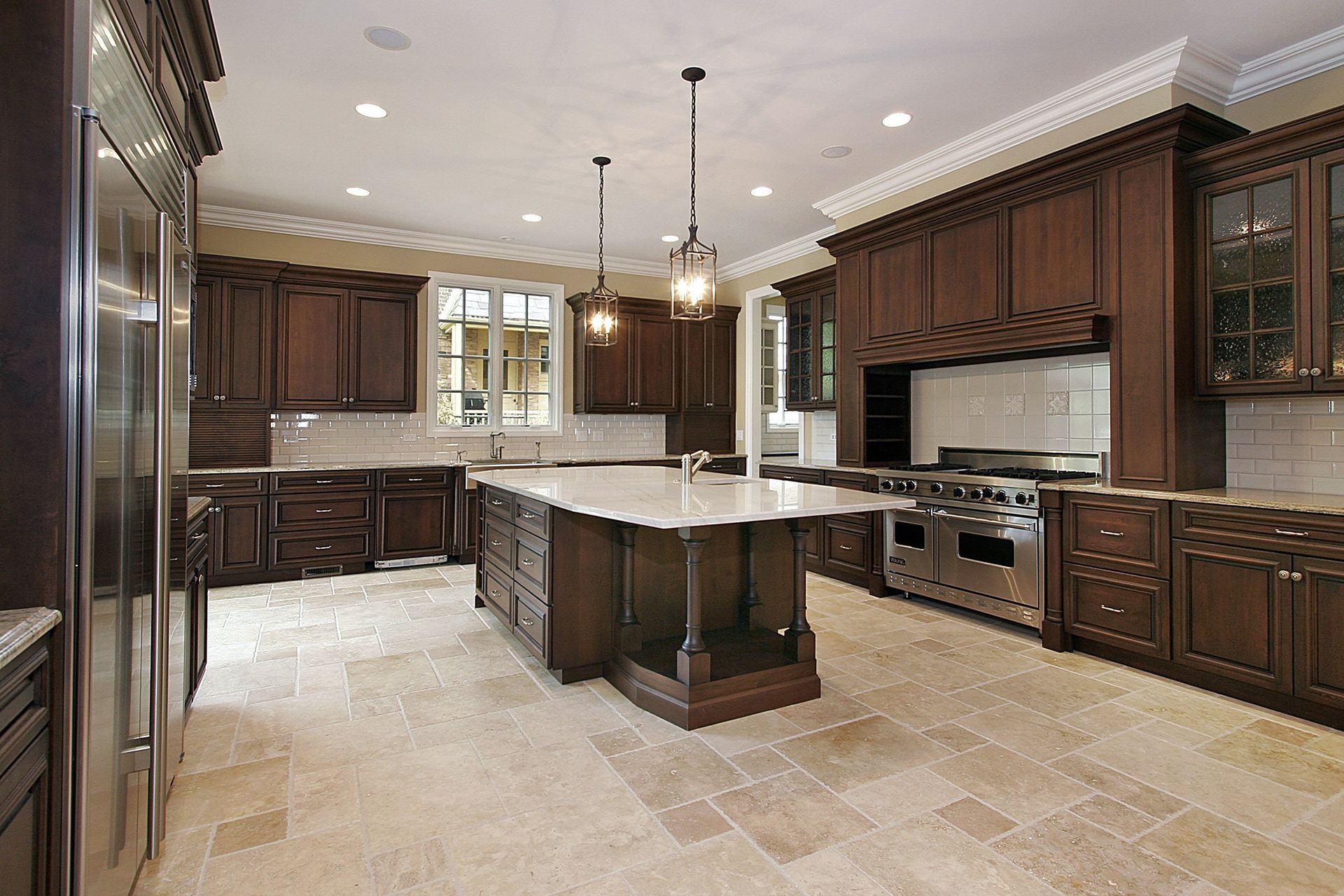
Consider how the tile will complement other elements in the space, such as cabinetry, countertops, flooring, wall colors, and fixtures. Large-format tiles can create a more continuous appearance with fewer grout lines, while smaller tiles can add texture and detail. Matte, polished, and textured finishes also create different visual effects.
Your selection should account for the room's purpose as well as its appearance. For example, a bathroom floor may require a surface with appropriate slip resistance, while a kitchen backsplash may prioritize ease of cleaning and visual appeal. Outdoor installations may need products specifically rated for exterior use and local weather conditions.
Before making a decision, ask whether you can review samples or view products in person. Seeing tile under different lighting conditions can reveal variations that may not be obvious in photographs. A knowledgeable tile supplier can help you compare available options and understand how different products may perform in your space.
3. Assessing Product Availability and Lead Times
Product availability is another important factor, particularly when your tile project is tied to a construction or renovation schedule. Even when you find the ideal material, limited inventory or extended shipping times can delay installation and affect coordination with other contractors.
Before placing an order, confirm whether the tile is in stock or must be ordered from a manufacturer. Ask about estimated delivery dates, potential supply delays, and the availability of additional quantities if your project requires more material than initially expected.
It is also wise to purchase enough tile to cover the planned installation, including a reasonable allowance for cuts, breakage, and future repairs. The amount needed depends on the room's dimensions, layout, and design complexity. Diagonal patterns and intricate arrangements may require more material than straightforward installations.
If your project includes several rooms, ensure that the selected tile is available in sufficient quantities for all areas. Buying everything needed from the same production batch, when possible, can help reduce noticeable differences in shade or finish.
A reliable tile supplier should communicate clearly about availability and ordering expectations. Confirming these details before committing to a product can help you avoid last-minute substitutions and keep the project moving forward.
4. Comparing Pricing and Overall Value
Price is an important consideration when choosing tile, but the lowest-cost option is not always the most economical choice over time. Product quality, expected lifespan, maintenance requirements, and installation needs all contribute to the total cost of a project.
When comparing quotes, make sure you are evaluating similar products and quantities. A less expensive tile may have different performance characteristics or require additional maintenance, while a higher-priced option may offer benefits that justify the initial investment.
Ask about pricing structures, minimum order quantities, and any applicable return policies before purchasing. Understanding these details helps you calculate the overall expense and avoid unexpected costs.
5. Evaluating Customer Service and Product Knowledge
Customer service can make a significant difference when selecting materials for a renovation or construction project. Clear communication, accurate product information, and helpful guidance can simplify the decision-making process, especially when you are comparing unfamiliar materials or specifications.
Look for a supplier who takes time to understand your project rather than simply recommending the most popular products. You should feel comfortable asking questions about tile dimensions, finishes, maintenance, water absorption, and installation requirements.
Product knowledge is particularly important when choosing tile for specialized applications. A supplier should be able to direct you toward relevant manufacturer specifications and help you identify which products are appropriate for your intended use. For technical questions that require professional installation expertise, the supplier should also be clear about the limits of its guidance.
Before placing an order, consider how the business handles communication, product inquiries, and potential order issues. Ask about its policies for damaged shipments, incorrect quantities, and products that arrive differently than expected.
A positive purchasing experience involves more than finding an attractive product. Working with a responsive tile supplier can help you make informed choices, clarify expectations, and address questions before they become costly problems.
6. Reviewing Delivery and Ordering Policies
The final factor to evaluate is how the supplier manages orders from purchase through delivery. Even when you have selected the right tile at an acceptable price, unclear delivery arrangements or restrictive return policies can complicate your project.
Start by confirming how the products will be delivered and whether delivery services are available for your location. Tile can be heavy and fragile, so proper handling and coordination are important. Establishing a delivery window also helps you prepare adequate storage space and coordinate the arrival of other project materials.
Before finalizing your purchase, review the supplier's policies regarding returns, exchanges, damaged products, and special orders. Some products may have restrictions once they have been ordered or delivered, so understanding the terms in advance is essential.
When your shipment arrives, inspect the materials before installation begins. Check the quantity, product identification, and visible condition of the tiles. Look for damaged pieces and verify that the order matches your specifications. If you notice discrepancies, contact the supplier promptly and follow its procedures for reporting the issue.
Choosing the Right Tile Supplier for Your Project
Selecting tile requires a balance of appearance, durability, availability, cost, customer service, and reliable ordering practices. By reviewing these six factors before making a purchase, you can narrow your options, avoid common planning mistakes, and choose materials that suit your space. Taking extra time to compare products and clarify purchasing details can help you feel more confident about your investment.
Whether you are updating a bathroom, renovating a kitchen, or planning a larger commercial project, the right supplier can make the selection process more straightforward. Contact Bellew Tile & Marble Co Inc to explore tile options and find materials that suit your project's style, performance requirements, and budget.